Colocation vs. Build-to-Suit: Which Is Right for Your Coverage Goals?
Colocation and build-to-suit are the two main paths to deploying wireless coverage through the State of Michigan Tower Program. Colocation means placing your equipment on an existing tower — the fastest, most cost-effective option when a suitable tower exists. Build-to-suit means developing a new tower on state land — the right choice when no existing structure meets your needs. Here's how to tell which fits your situation.
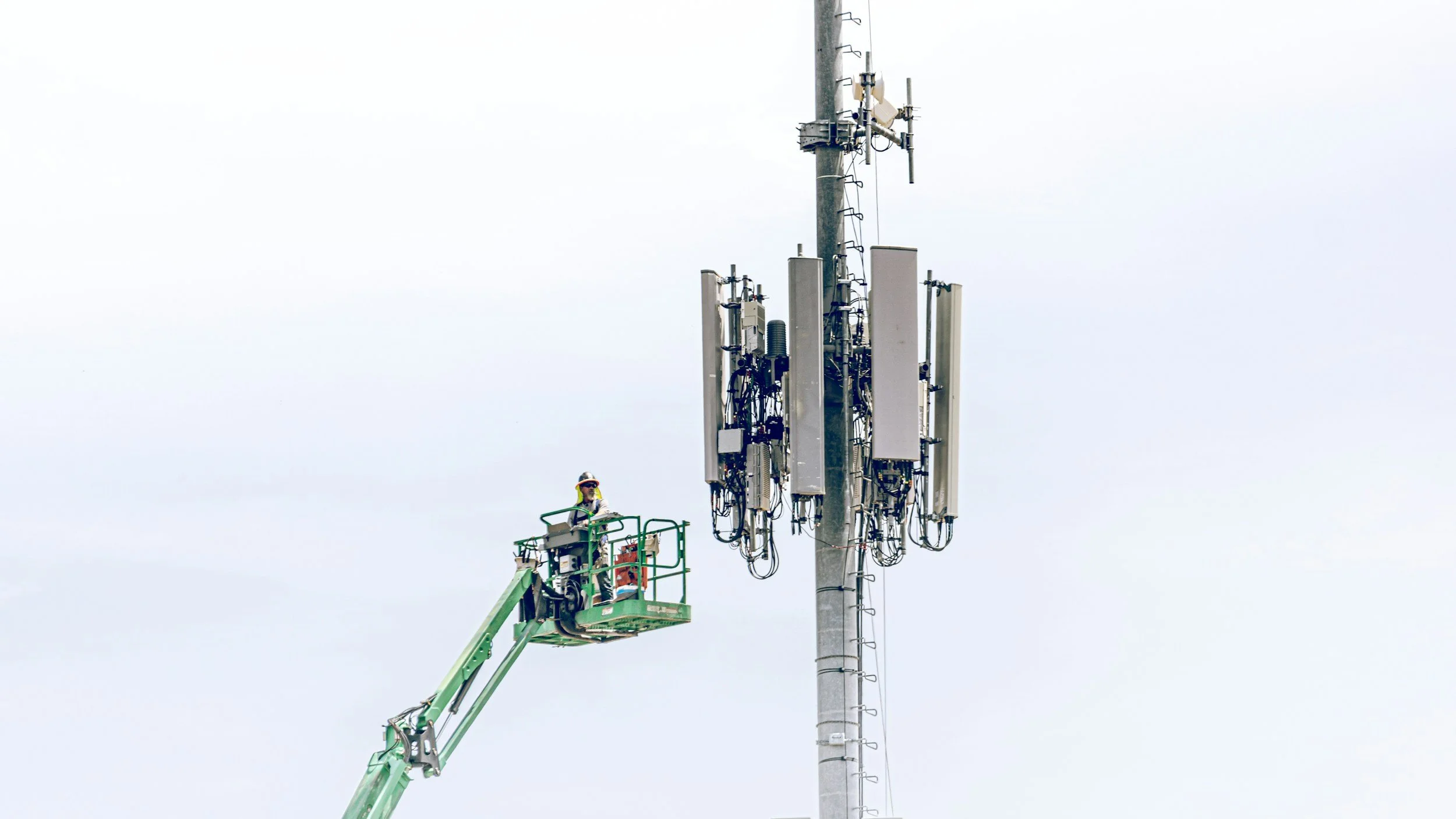
Colocation: Use What's Already There
Colocation is usually the first option worth exploring. If one of the program's 270 existing towers is positioned where you need coverage, colocating lets you deploy quickly and affordably on infrastructure that's already standing and permitted.
Colocation Is the Better Fit When:
An existing tower covers your target area at a usable height.
Speed-to-market matters — you want to be on-air as soon as possible.
You want to minimize cost and avoid the complexity of new construction.
Your coverage needs can be met from an available RAD center.
Build-to-Suit: Develop a New Site
When no existing tower meets your coverage or capacity goals, a build-to-suit tower is the answer. Through the program, new towers can be developed on 4.6 million acres of state-owned land, including forest land and highway right-of-ways. As the exclusive developer of new towers on state property, the program can guide a build from site identification through completion.
Build-to-Suit Is the Better Fit When:
No existing tower covers your target area adequately.
You need a specific location that existing infrastructure doesn't reach.
Your capacity or technical requirements call for a purpose-built structure.
You're targeting coverage along a corridor or in a gap with no current site.
How to Decide
The simplest path is to start a conversation about your coverage goals. The program team can check your target areas against the existing tower portfolio first — and if colocation can meet your needs, that's typically the faster, more economical route. If it can't, build-to-suit on state land keeps the door open. In the program's words: if the portfolio of 270 towers can't meet your needs, the land can.
Both paths start the same way. See how the process works on our FAQ page >
Not sure which path is right? Submit an application or contact the team — we'll help you find the best fit.