Bridging the Digital Divide: Broadband for Rural Michigan
Reliable internet access is no longer optional — it's essential infrastructure for work, school, healthcare, commerce, and public safety. Yet across rural Michigan, dependable broadband and mobile coverage remain spotty or absent. The State of Michigan Tower Program helps close that gap by opening state-owned towers and land for the wireless infrastructure rural communities need.
What the Digital Divide Looks Like in Michigan
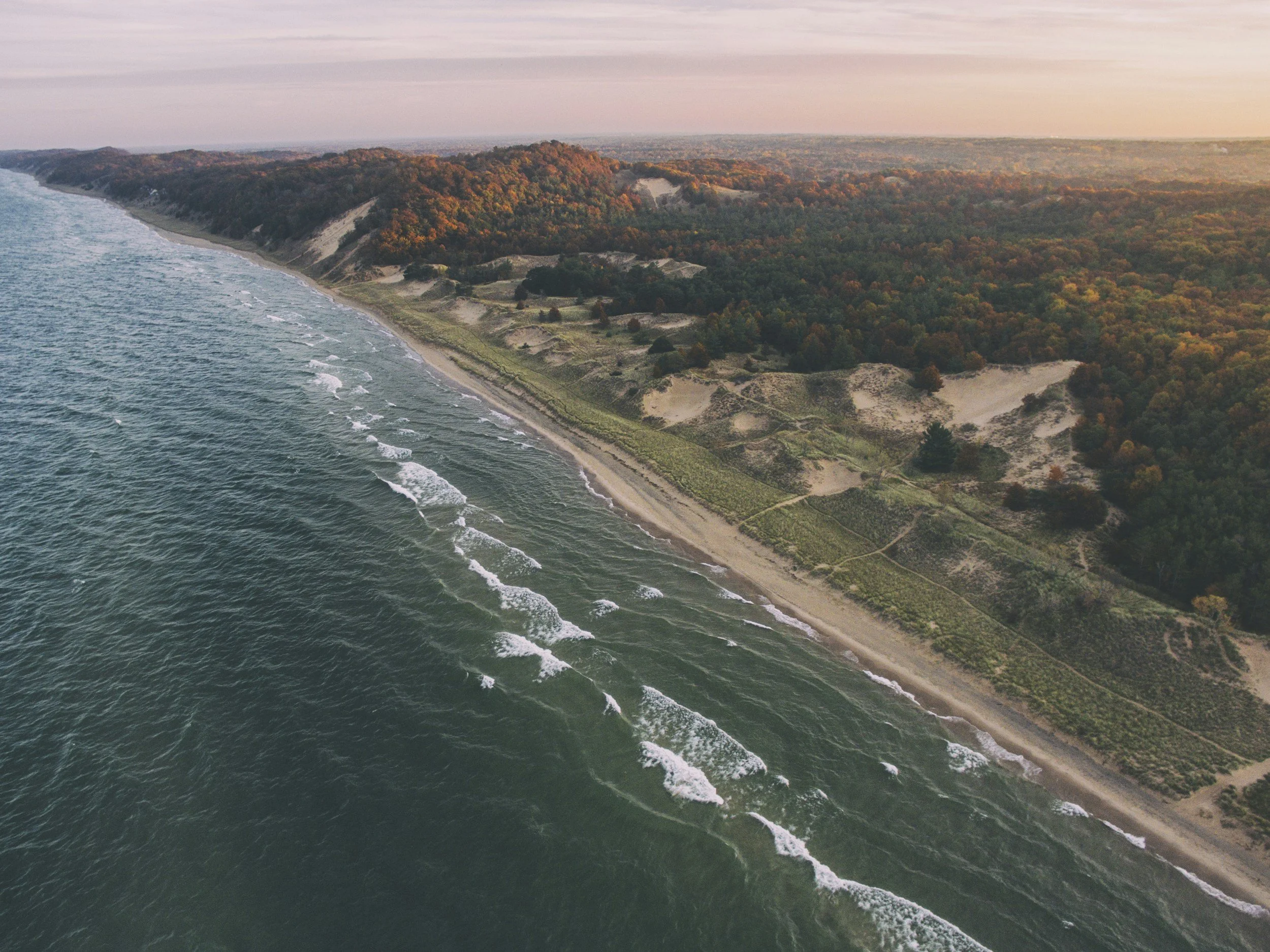
Michigan is a large and geographically diverse state, from dense metro areas to remote stretches of forest, farmland, and shoreline. In many rural areas, the cost and difficulty of building infrastructure has left residents, businesses, and travelers with weak or nonexistent coverage. That gap affects everything from a student's ability to do homework to a first responder's ability to communicate in an emergency.
How Wireless Infrastructure Helps Close the Gap
Fixed Wireless for Hard-to-Reach Areas
Running wired broadband to remote areas is expensive and slow. Fixed wireless access — delivered by wireless internet service providers from elevated tower positions — can reach dispersed rural homes and businesses far more economically. Tall, well-placed towers are exactly what makes this possible.
Mobile Coverage Where It's Been Missing
By giving carriers access to strategically located towers and developable land, the program helps extend mobile coverage into areas that have historically been underserved — improving connectivity for the people who live, work, and travel there.
A Foundation of State Land and Towers
The program leverages a portfolio of 270 state-owned towers and 4.6 million acres of state land — including Department of Natural Resources forest land and Department of Transportation right-of-ways along major highways. This footprint reaches deep into the rural areas where coverage is needed most, giving providers a practical path to serving communities that have waited too long for reliable connectivity.
Learn more about the program's mission and footprint on our About page >
Working to bring broadband to rural Michigan? Contact the program team to explore how state towers and land can help.