Why Are Michigan's State Towers So Tall?
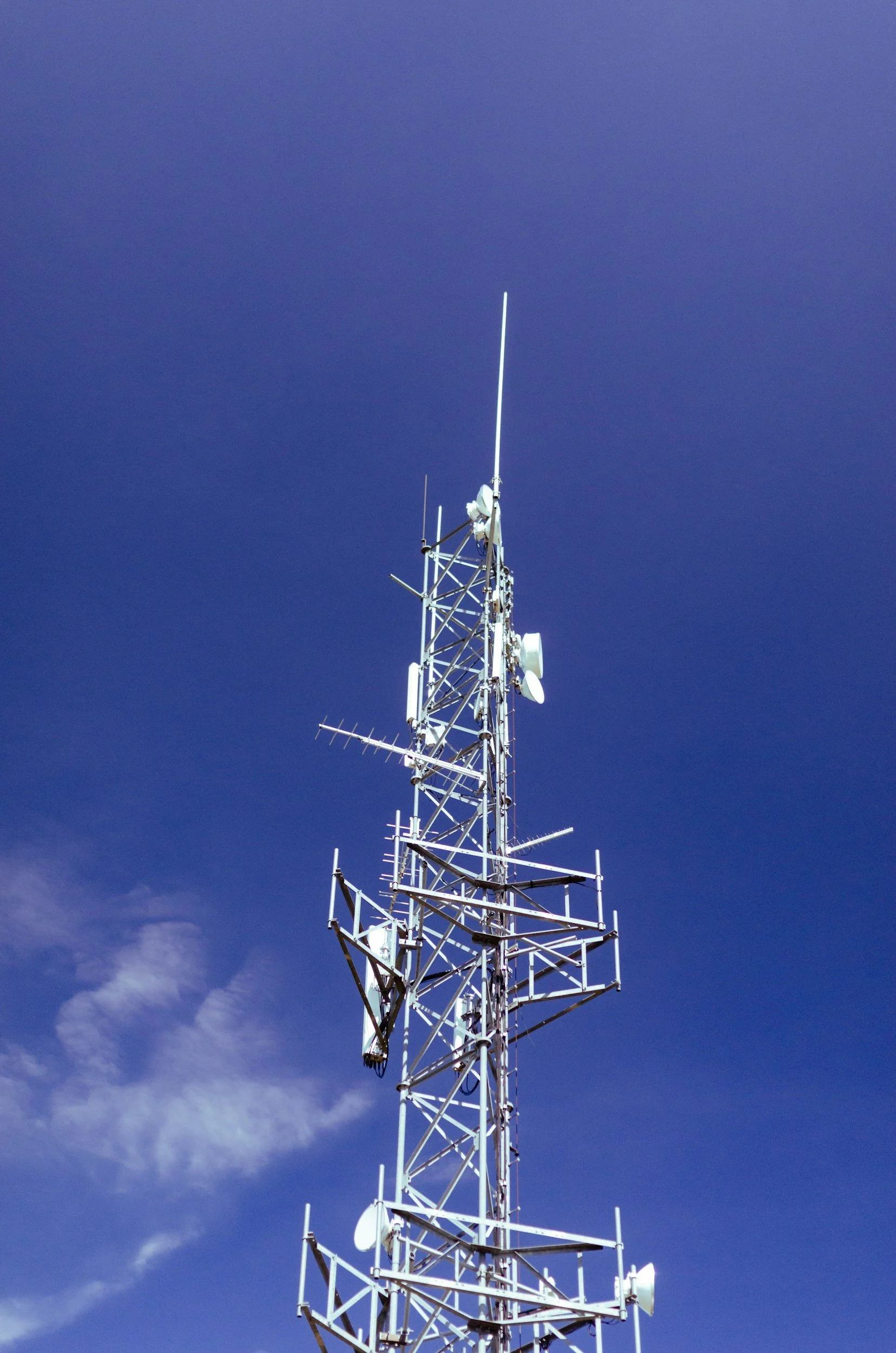
More than 140 of the State of Michigan's towers exceed 400 feet in height — far taller than typical commercial cell towers. The reason traces back to their original purpose: these towers were built to carry emergency-services communications across very large areas. That height is now a major advantage for the carriers, internet providers, and agencies that colocate on them today.
Built for Public Safety, First
Michigan's state-owned towers were originally constructed to support the state's public safety communications system. Emergency communications need to reach across wide, often rural areas — including places where terrain and distance make coverage difficult. To carry a signal that far, the towers had to be tall.
The result is a portfolio of unusually high structures positioned across the state, including in rural regions where coverage of any kind has historically been limited.
Why Tower Height Matters for Coverage
In wireless communications, height extends reach. The higher an antenna sits, the farther its signal can travel before the curve of the earth and obstacles like hills and trees get in the way. A taller tower means a larger coverage footprint from a single site — which is especially valuable in rural areas where building many towers isn't practical.
More RAD Centers to Choose From
Tower height is measured for tenants in terms of RAD centers — the specific heights at which antennas can be mounted. A 400-foot tower offers many more potential mounting positions than a standard tower, giving colocation tenants flexibility to choose the exact height that matches their coverage goals.
A Built-In Advantage for Tenants
For providers colocating through the State of Michigan Tower Program, the towers' height is a ready-made benefit. Carriers can cover more ground per site, WISPs can reach dispersed rural customers, and agencies gain the elevation needed for reliable wide-area communications — all on infrastructure that already exists.
Want to know which towers and heights are available in your target area? You can request a coverage map. Learn more on our FAQ page >
Looking for the right coverage position? Submit an application and we'll return site options matched to your goals.