CBRS and DAS Explained: Specialized Coverage on State Towers
CBRS and DAS are two technologies that expand wireless coverage and capacity beyond what traditional cellular equipment provides. CBRS (Citizens Broadband Radio Service) is a band of shared wireless spectrum that lets organizations build their own private or local networks. DAS (Distributed Antenna System) is a network of smaller antennas that distributes a strong, even signal across an area or building. Both are supported through the State of Michigan Tower Program for tenants with specialized needs.
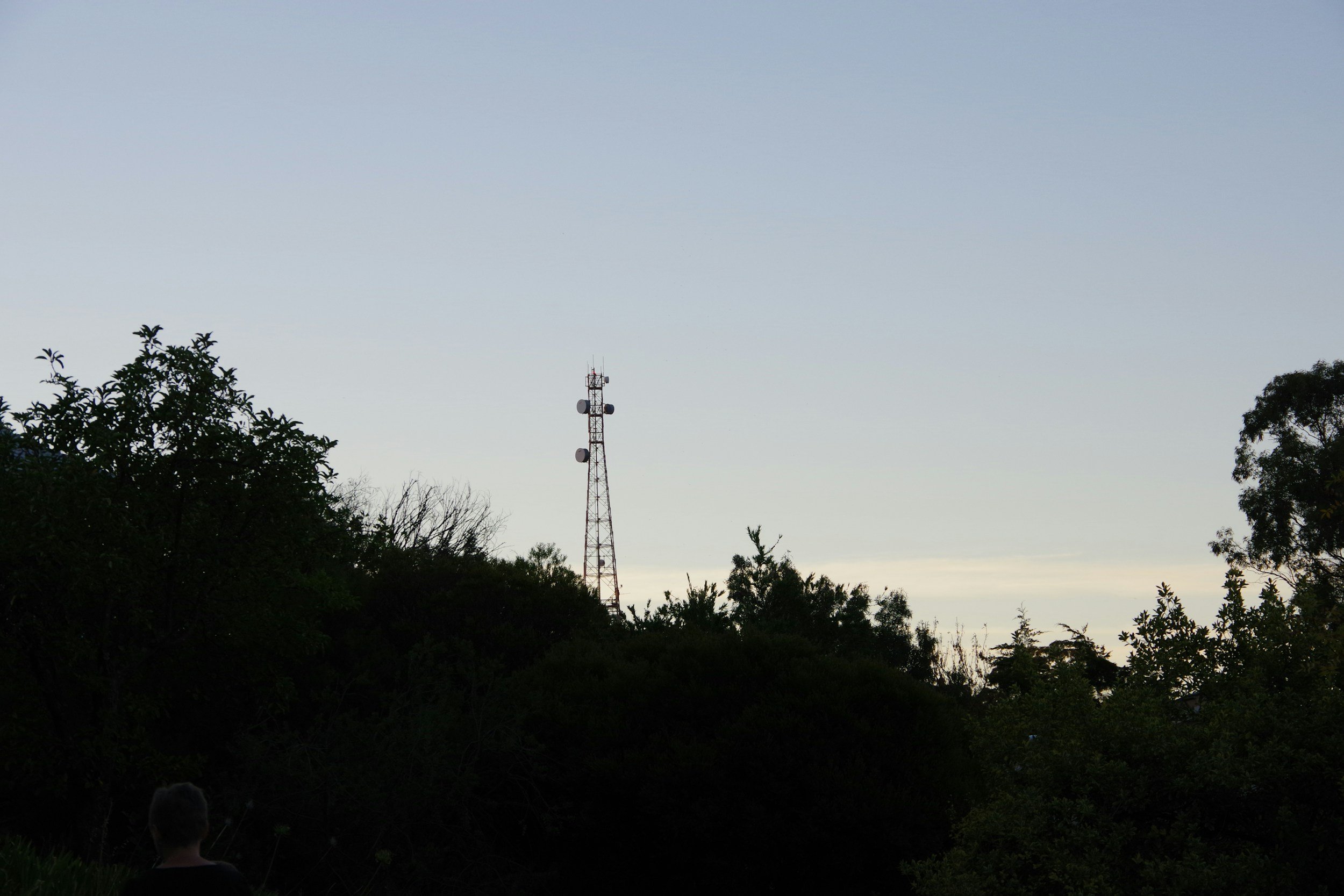
What Is CBRS?
CBRS, or Citizens Broadband Radio Service, is a range of radio spectrum that the federal government opened for shared commercial use. Rather than being locked to a single national carrier, this spectrum can be used by carriers, internet providers, businesses, and government entities to build their own coverage — including private wireless networks for a campus, industrial site, or community.
For wireless internet service providers and government users, CBRS is a flexible, cost-effective way to deliver targeted coverage without owning expensive licensed spectrum.
What Is DAS?
A Distributed Antenna System, or DAS, is a network of smaller, strategically placed antennas connected to a common signal source. Instead of relying on one large antenna to blanket an area, a DAS spreads coverage across many smaller nodes — delivering a more consistent signal, especially in places where coverage is otherwise weak or uneven.
DAS is often used to improve coverage across large venues, dense areas, or challenging terrain where a single antenna can't reach effectively.
How They Fit Into the Michigan Tower Program
In addition to traditional colocation and new tower builds, the State of Michigan Tower Program supports CBRS and DAS installations. That means tenants with specialized coverage or capacity requirements — a WISP building a local network, a government agency extending private coverage, or a carrier filling a stubborn gap — have options beyond standard antenna colocation.
Not sure which approach fits your needs? Our team can help you weigh the options. Start with our FAQ page or reach out directly.
Have a specialized coverage challenge? Contact the program team to discuss CBRS and DAS options.