What Is Tower Colocation, and Why Does It Matter for Michigan?
Tower colocation is the practice of placing equipment from multiple wireless providers on a single existing tower. Instead of each carrier or internet provider building its own structure, providers share proven infrastructure — expanding coverage faster, at lower cost, and with less impact on the surrounding landscape. For a state as large and geographically varied as Michigan, colocation is one of the most practical ways to close coverage gaps quickly.
How Colocation Works
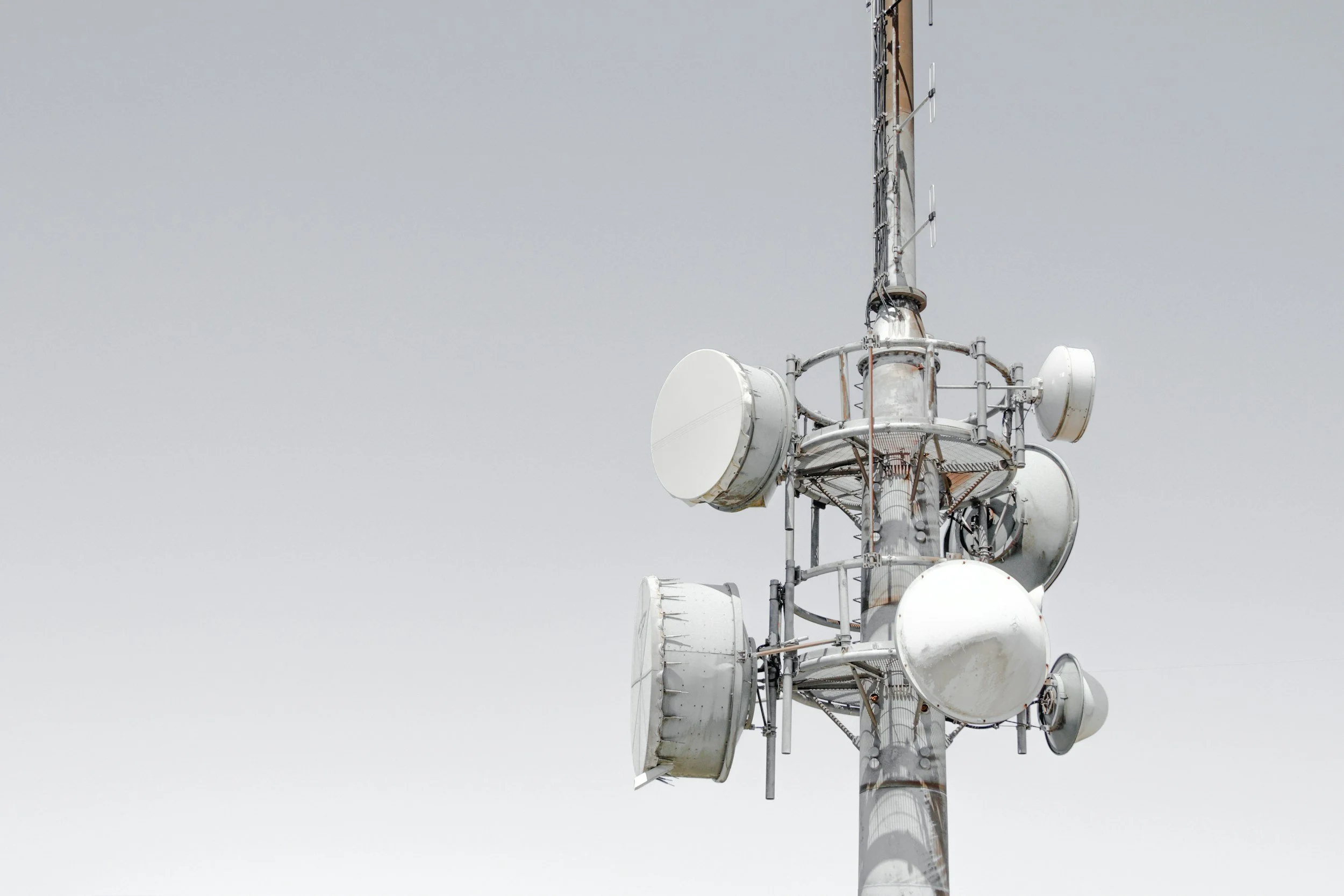
A tower is engineered to hold antennas and equipment at multiple heights, called RAD centers. When a provider colocates, they lease space at a specific height that suits their coverage needs and mount their equipment there. A single tall tower can host several providers at once — wireless carriers, fixed wireless internet providers, and public safety systems — each operating independently on the same structure.
Because the tower already exists and is already permitted, a colocating tenant skips the most time-consuming and expensive parts of deployment: site acquisition, zoning, and construction.
Why Colocation Matters
Faster Deployment
Building a new tower can take many months once site selection, permitting, and construction are accounted for. Colocating on an existing, permitted structure can cut that timeline dramatically — helping providers hit their on-air dates and start serving communities sooner.
Lower Cost
Sharing an existing tower spreads infrastructure costs across multiple tenants. Providers gain access to quality coverage positions without funding a full build, which makes expanding into rural and lower-density areas far more economical.
Better Coverage, Less Clutter
Colocation lets more providers serve an area without multiplying the number of towers on the landscape. That means stronger, more reliable service for end users — and fewer new structures in Michigan's communities and natural areas.

Colocation in the State of Michigan Tower Program
The State of Michigan Tower Program offers colocation on a portfolio of 270 state-owned towers, many of them exceeding 400 feet. These towers were originally built to carry emergency-services communications across large areas, which gives colocation tenants an unusually broad range of height options to choose from. Managed by Pyramid Network Services, the program handles the process end-to-end with transparent costs and timelines.
Curious whether colocation fits your coverage goals? Learn more on our FAQ page >
Ready to explore your options? Submit an application or contact the program team to get started.